

Dear reader,
when we designed nestermind we asked ourselves a number of questions. This one in particular: should a CRM only be able to store data, or should it also make that data usable? What we built afterwards is, in part, a consequence of that answer.
In this newsletter we tell you why that matters so much to us.
A whole infrastructure, not just an address book.
Data that becomes operational knowledge.
A CRM can be a pure admin tool – a place where contacts are stored, appointments are noted and sales processes are documented. But it can also be a genuine operational infrastructure: a system that structures data, makes it accessible and creates the basis for better-informed decisions.
That conviction is precisely why nestermind was built: an AI-first CRM for real estate marketing and for the next generation of property professionals. Not as a simple information archive, but as an infrastructure that turns data into operational knowledge.
Real estate data has a structure of its own
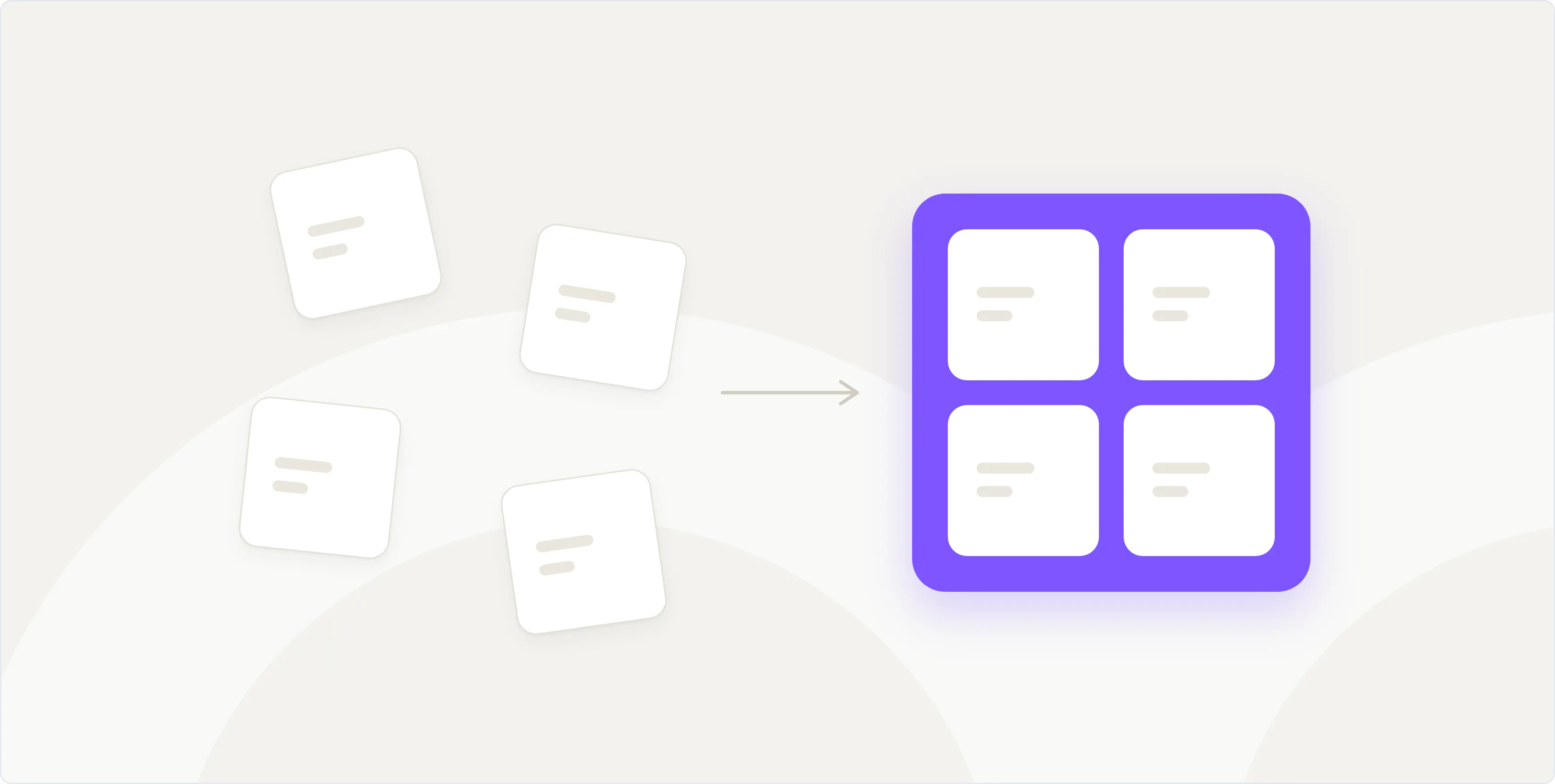
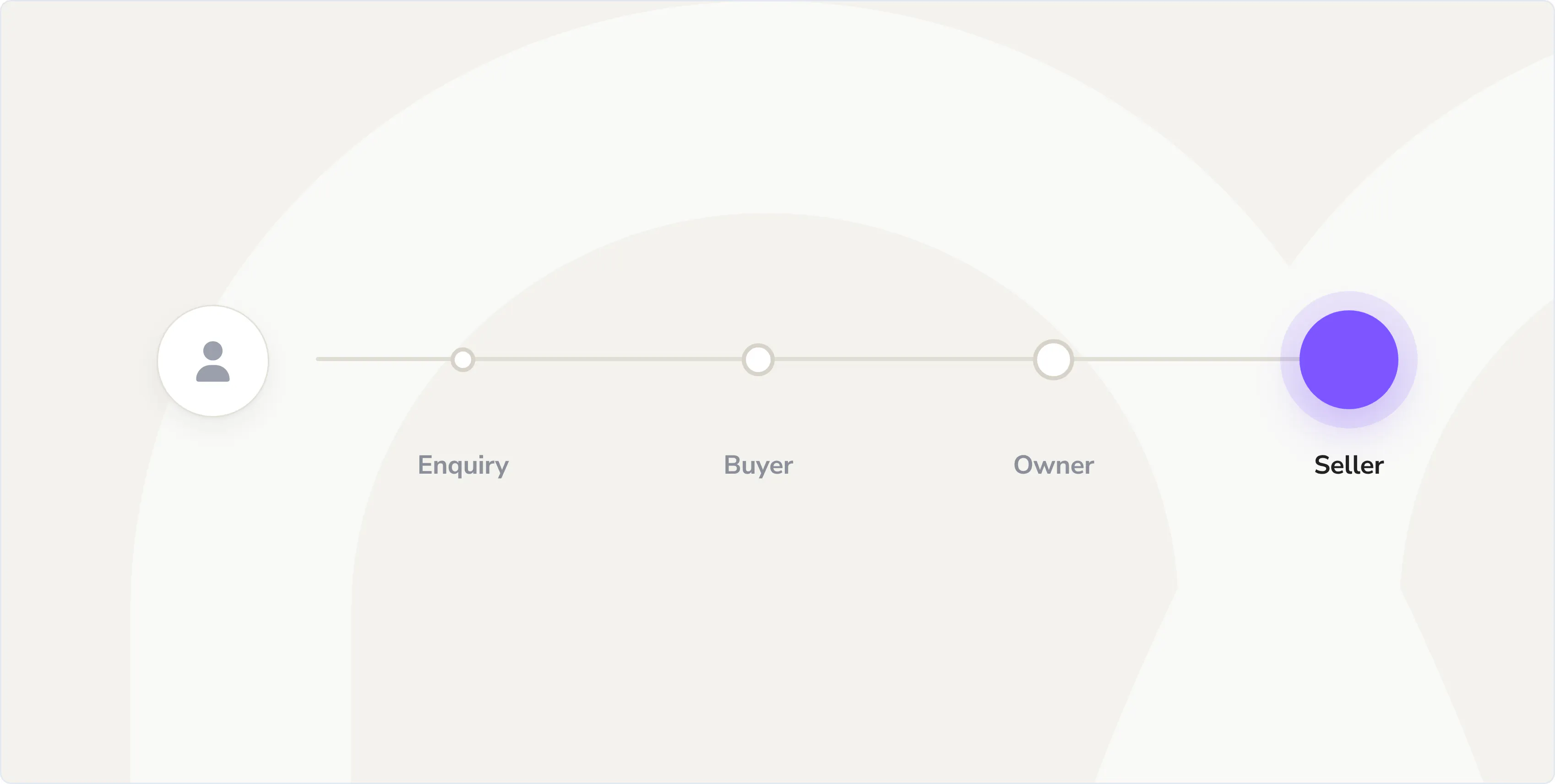
In real estate, data has very particular characteristics. A transaction can stretch over months. A contact can be a buyer today and a seller in five years. A property has a history of valuations, viewings and offers received. Structured correctly, this information delivers valuable insight. Scattered across emails, Excel files and assorted notes, it often gets lost.
It isn't about owning as much data as possible. It's about having data you can actually use, without having to piece the whole story back together every time.
From data to decisions
The value of data lies not in its volume alone, but in its ability to enable better decisions. When information, activities, properties and client relationships are connected to one another, it becomes easier to spot opportunities, understand client behaviour and work more proactively.
What does it mean to be AI-ready?
Artificial intelligence in real estate is discussed more and more often. Automated valuations, property suggestions matched to a prospect's preferences, predictive market analysis — none of this is a distant prospect any more. These possibilities do come with a prerequisite that often goes unmentioned, though: data has to be clean, structured and accessible.
That is why a system built on AI-first logic starts with the data, not with the algorithms. First you create a reliable information infrastructure. Only then can artificial intelligence be put to use in a sustainable, meaningful way.

In other words: artificial intelligence does not replace the quality of your data – it presupposes it. The better organised the information, the more real value AI can create. When data is spread across Excel sheets, emails and disconnected systems, even the most advanced technologies quickly reach their limits.
A CRM that collects information in a disorderly way does not suddenly become more useful because an AI layer has been added to it. On the contrary: it often amplifies the inconsistencies that were already there. Being AI-ready therefore does not mean adopting the latest technology, it means having a data infrastructure that makes technology genuinely usable in the first place.
The ecosystem matters
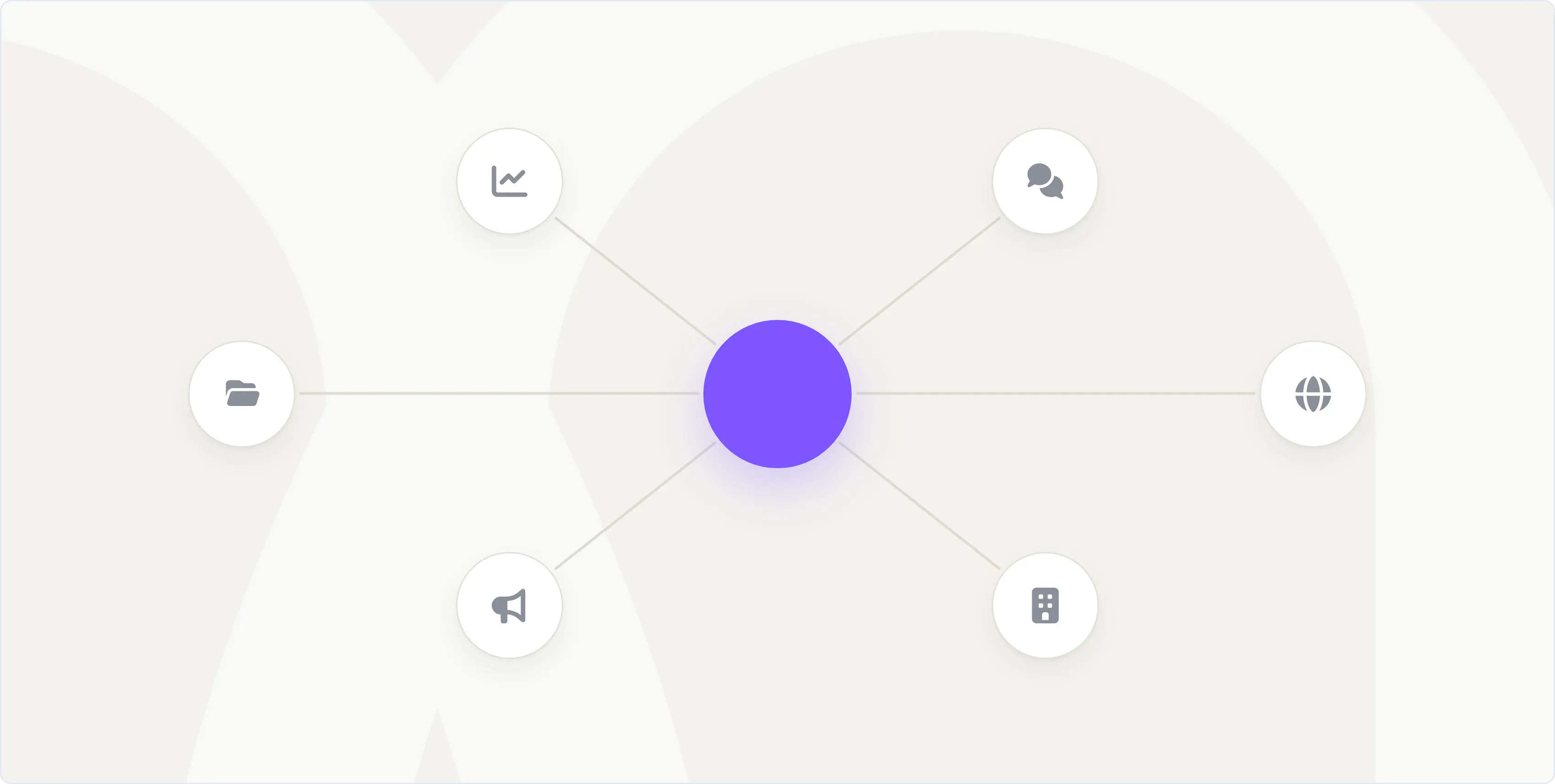
Well-organised data inside a CRM is very important. The real value, though, emerges when that information can flow between all the tools that are part of the daily workflow: the property portals, the platforms for marketing commercial real estate and the communication channels with clients.
When these systems share data consistently, a far more complete picture emerges.
That is why at nestermind we believe in an ecosystem of platforms that share the same principles: structured data, reliable integrations and connected processes. From the leading Swiss property portals through to specialised solutions such as Maison.work for the commercial real estate market, they all pursue the same goal: turning information into a genuinely usable resource.
In an industry increasingly oriented towards data and artificial intelligence, the quality of the underlying infrastructure will probably become a competitive advantage every bit as important as strong client relationships or high visibility in the market.